With the participation of representatives from local government, the scientific community, businesses, European organizations, and civil society groups, the “Switch On Sustainability” conference took place on Wednesday, May 20, at the Serafio complex in Athens. The event was organized by the Energy Poverty Alleviation Office (EPAO) as part of the Sustainable Energy Days 2026 initiative.
The conference served as a platform for exchanging experiences on energy transition and energy poverty, highlighting the role cities can play in shaping policies with social and environmental impact.
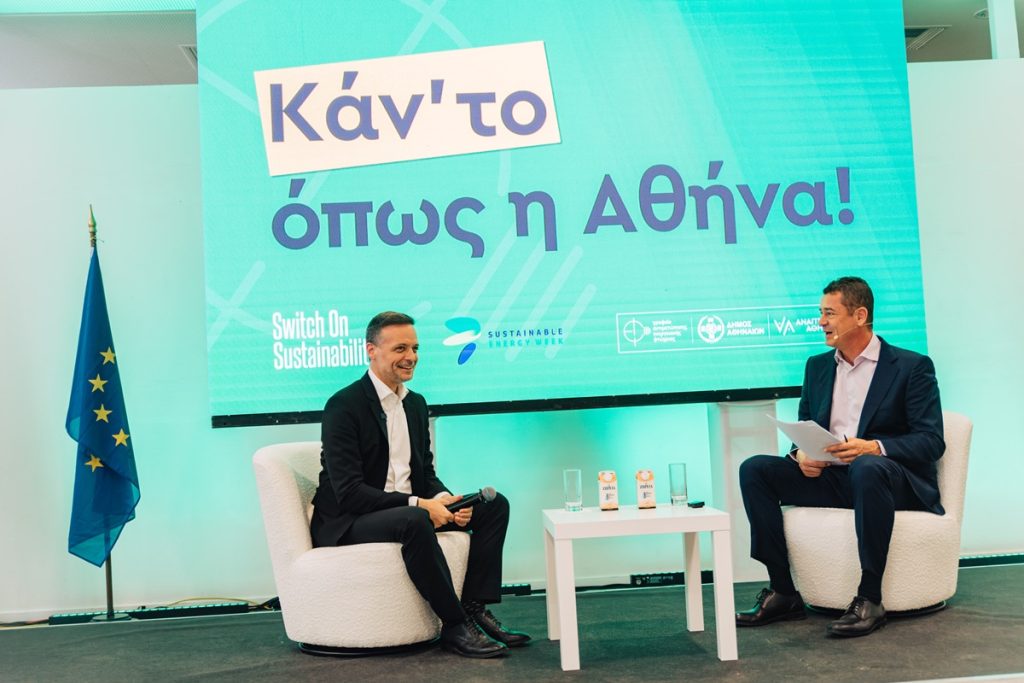
During his discussion with the conference moderator, journalist Antonis Sroiter, the Mayor of Athens, Haris Doukas, noted: “The green transition cannot concern only technologies and infrastructure. It must concern people’s everyday lives, especially those most at risk of being left behind. For us, EPAO is an effort to bring energy policy closer to the real needs of citizens.”
He also referred to the way the energy crisis affected thousands of households in the city and stressed the importance of developing policies that connect sustainability with social cohesion.
The Mayor highlighted actions implemented by the City of Athens through EPAO, such as exemptions from municipal fees for hundreds of energy-vulnerable households that meet the criteria, energy consulting services, and the Energy Benefit Card, which offers discounts through partnerships with companies for the purchase of energy-efficiency upgrade products for properties.
Major Challenges
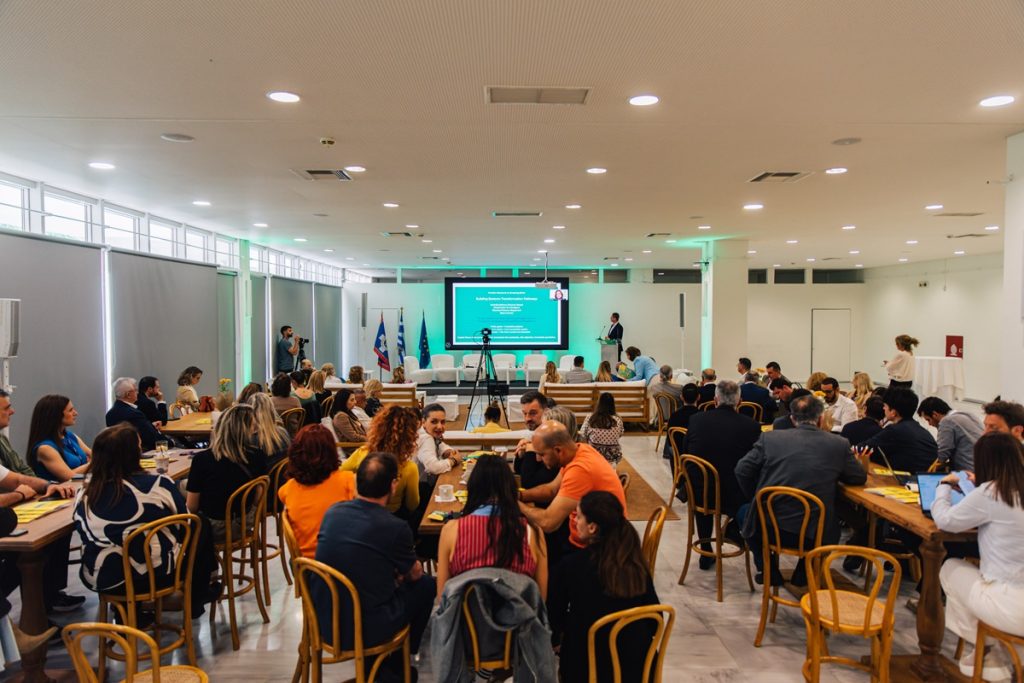
Discussions focused on issues such as energy efficiency in urban environments, the relevance of buildings with public health, financial tools for sustainable investments, and the need for the green transition to remain socially inclusive.
At the conference, the CEO of Develop Athens S.A., Elissaios Sarmas, highlighted the importance of cooperation among public institutions, the scientific community, and civil society in developing practical solutions. “The major challenges facing cities require synergies, expertise, and practical interventions with immediate social impact. Through EPAO, we are trying to create a support model that connects energy policy with social protection and the sustainability of the city,” he said.
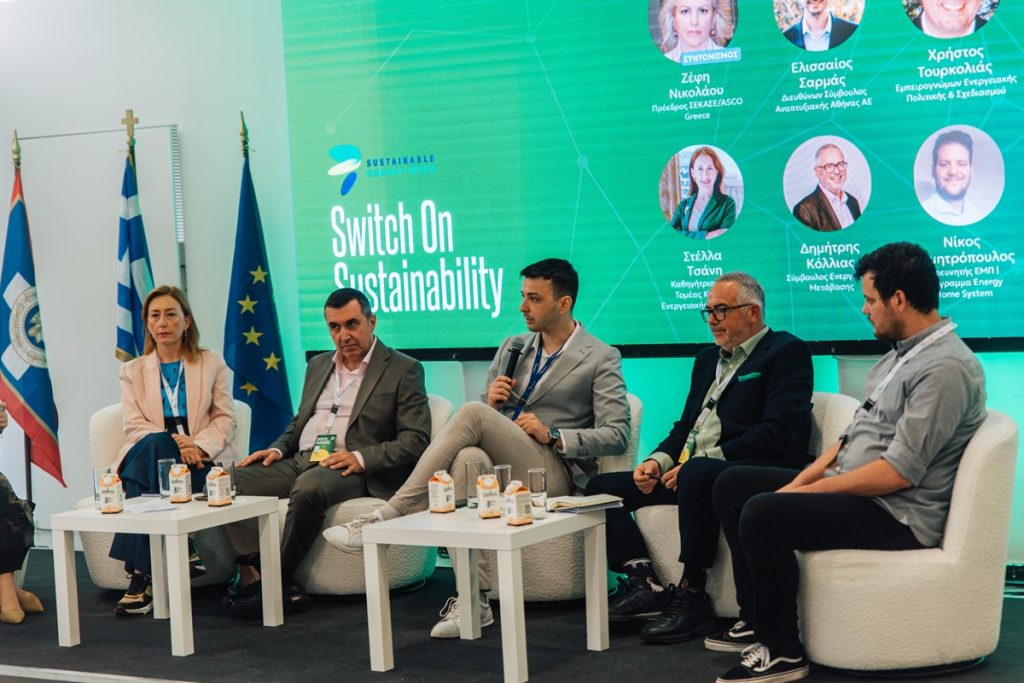
The conference’s thematic sessions also attracted significant interest, featuring experts from the fields of energy, health, sustainability, and investment.
An energy transition that leaves no one behind
During the panel discussions, topics included smart energy solutions and climate resilience, sustainable building upgrades, and the connection between the quality of the built environment and public health.
The conference concluded with a dialogue between institutions and beneficiary citizens, highlighting the importance of public participation in shaping policies related to energy and sustainability.
“Switch On Sustainability” confirmed the need for cities to function not only as places where policies are implemented, but also as spaces for cooperation, innovation, and social support, with the goal of achieving an energy transition that leaves no one behind.
The initiative was implemented within the framework of the project “Operation of a Mechanism for Addressing Energy Crisis in the City of Athens” /MIS code 6039174, co-funded by the Attica Regional Operational Programme 2021–2027 and the European Regional Development Fund (ERDF).